4 Sept 2023
SABIC and SINOPEC announce commercial operation of PC plant at joint venture SSTPC
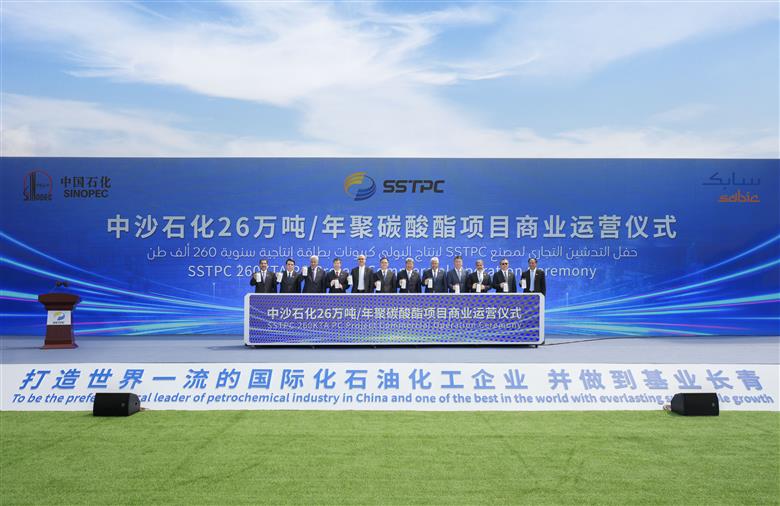 SABIC and SINOPEC announced the commercial operation of a new polycarbonate (PC) plant at their 50-50 joint venture (JV) – SINOPEC SABIC Tianjin Petrochemical Co. Ltd. (SSTPC). Khalid Hashim Al-Dabbagh, SABIC Chairman and Ma Yongsheng, SINOPEC Chairman attended the ceremony.
22 Aug 2023
SABIC’S STAMAX™ 30YH570 resin is first polymer to earn a UL verified mark for thermal runaway protection of EV battery systems
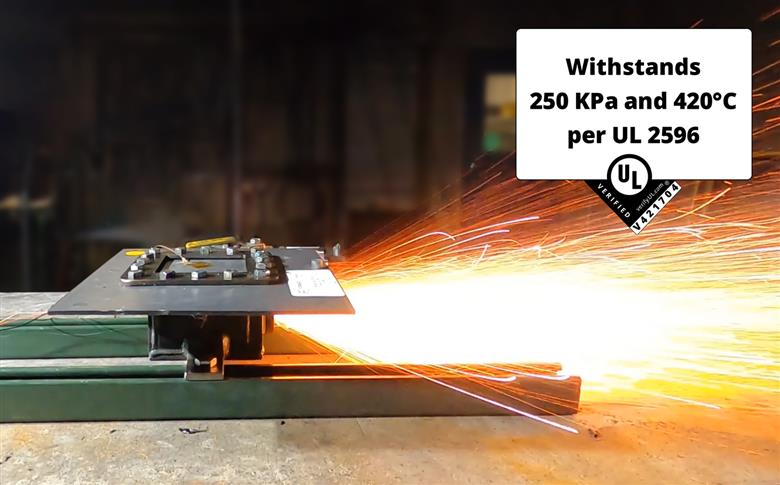 SABIC, a global leader in the chemical industry, today announced that its STAMAX™ 30YH570 resin has earned the UL Verified Mark from Underwriters Laboratories. This 30 percent glass fiber-reinforced copolymer resin, a featured product offered under the company’s BLUEHERO™ electrification initiative, is the first polymer used in electric vehicle (EV) battery systems to receive UL Verification for marketing claims of thermal and mechanical performance. UL Verification, based on an objective, scientific assessment by a respected third party, can give customers high confidence in the flame delay performance of this product.
17 Aug 2023
SABIC offers bio-based versions of all NORYL™ resin grades to further advance the bioeconomy of plastics
 SABIC, a global leader in the chemical industry, is now offering bio-based versions of all NORYL™, Flexible NORYL, NORYL GTX™ and NORYL PPX™ resin grades to help customers meet increasingly rigorous sustainability goals. The bio-based versions, formulated with polyphenylene ether (PPE) resin feedstocks certified under International Sustainability & Carbon Certification (ISCC) PLUS, provide properties similar to those of fossil-based grades. Customers may select from multiple levels of bio-based content for their chosen NORYL product.
10 Aug 2023
SABIC to present new data at PCIM Asia on low internal dissipation losses in ELCRES™ dielectric films for high-temp capacitors
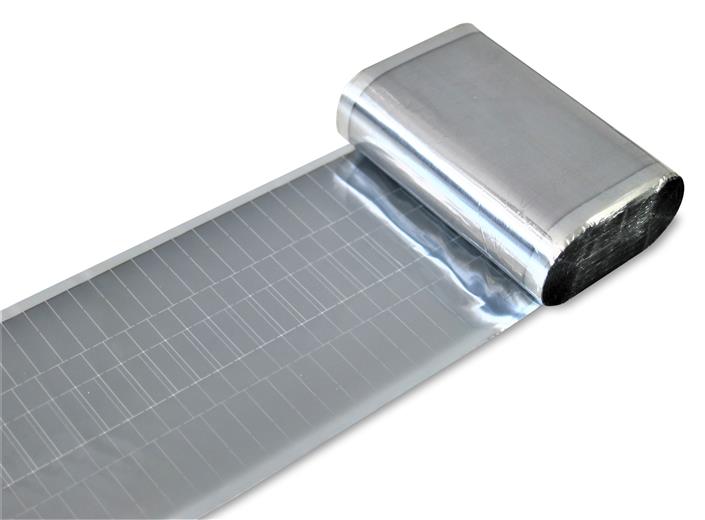 SABIC, a global leader in the chemical industry, will reveal at PCIM Asia 2023, in Booth #2B10, new data showing significantly reduced internal dissipation losses in its high-heat ELCRES™ HTV150A dielectric films for potential use in high-temperature capacitors. Compared to other high-heat materials like polyethylene terephthalate (PET) and polyethylene naphthalate (PEN), ELCRES HTV150A films can reduce dissipation losses by as much as 40 percent when exposed to temperatures reaching 150°C and frequencies up to 100kHz. Lower dissipation losses in ELCRES HTV150A dielectric films can reduce internal heat generation, increase operating efficiency, and stabilize hot spot temperatures, giving engineers in Asia Pacific greater flexibility in designing capacitors. Lower losses in these films are expected to translate into reduced dissipation losses in capacitors.
31 Jul 2023
New GENBETA Car developed by Formula E and Innovation Partner SABIC shatters GUINNESS WORLD RECORDS™ title
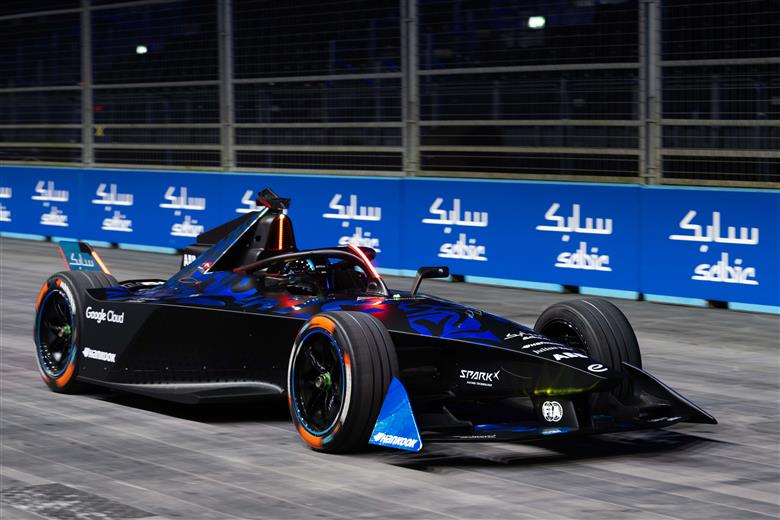 SABIC, a global leader in diversified chemicals, formally highlighted the use of its materials in applications on the GENBETA car, the new holder of the GUINNESS WORLD RECORDS™ title for the fastest speed achieved by a vehicle indoors.
20 Jul 2023
SABIC launches pilot blockchain project to advance emissions tracking & reductions across value chains
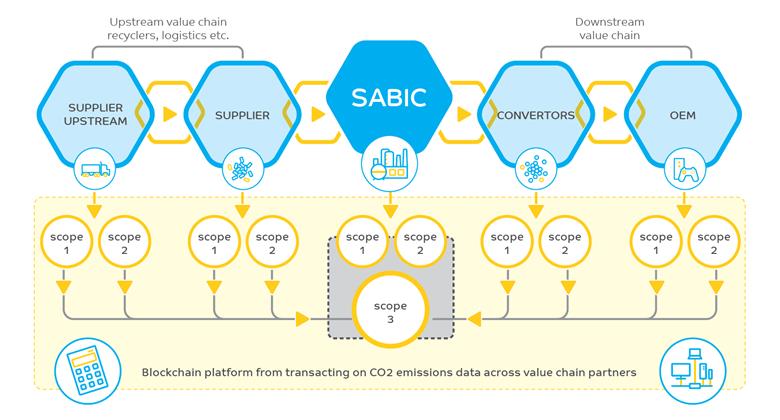 SABIC, a global leader in the chemicals industry, has launched a pilot project with Circularise, a blockchain software provider, to evaluate the use of their technology in tracing the carbon footprint of specific material streams from end to end.
19 Jul 2023
Aramco, TotalEnergies and SABIC complete MENA region’s first processing of oil from plastic waste at scale to make certified circular polymers
Aramco, TotalEnergies, and SABIC have for the first time in the Middle East and North Africa successfully converted oil derived from plastic waste into ISCC+ certified circular polymers. The plastic pyrolysis oil, also called plastic waste derived oil (PDO), was processed at the SATORP refinery jointly owned by Aramco and TotalEnergies, in Jubail, Saudi Arabia. It was then used as a feedstock by PETROKEMYA, a SABIC affiliate, to produce certified circular polymers.
13 Jul 2023
SABIC expands specialty materials portfolio with new LNP™ STAT-KON™ compounds to help advance ADAS radar and improve safety
 SABIC, a global leader in the chemical industry, today announced the expansion of its specialty materials portfolio for advanced driver assistance systems (ADAS) to further strengthen occupant and pedestrian safety. The company’s two new LNP™ STAT-KON™ compounds are well suited for ADAS radar absorbers and can help propel adoption of millimeter wave (mmWave) radar, which significantly improves sensor accuracy and range. By providing robust and high-resolution information about remote objects, mmWave radar could enhance driving safety and support the trend toward the use of autonomous vehicles.
13 Jul 2023
SABIC launches two PP-based, intumescent FR materials well suited for extruding and thermoforming large, complex EV battery pack components
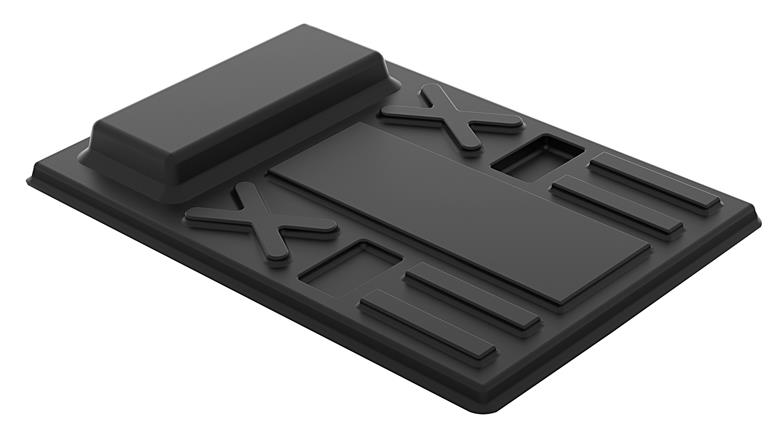 SABIC, a global leader in the chemical industry, today introduced SABIC® PP compound H1090 resin and STAMAX™ 30YH611 resin, two breakthrough materials well-suited for sheet extrusion and thermoforming that offer a unique alternative to traditional sheet metal forming, compression and injection molding, allowing customers to form large, complex structural parts.
6 Jul 2023
SABIC launches new PCR-based NORYL™ portfolio to help customers reduce carbon footprint
 SABIC, a global leader in the chemical industry, today announced its new PCR-based NORYL™ resin technology, formulated using 25 percent or more post-consumer recycled (PCR) content and aimed at providing additional, sustainable material options for customers. The technology was validated through the commercialization of several grades, including NORYL NH5120RC3 resin containing 30 percent PCR content, which helps to lower its global warming potential (GWP) by 10 percent compared to the incumbent, fossil-based grade.
29 Jun 2023
SABIC launches Material Finder website featuring rich functionality and high-value data to give customers a digital edge when selecting specialty thermoplastics
 SABIC, a global leader in the chemical industry, is debuting its new SABIC Material Finder website to help customers and prospective customers conveniently search, compare, evaluate and select specialty thermoplastic materials for a wide range of applications. The new website, which provides robust functionality and high-value, multi-point data, offers several unique features to casual and registered users. Any user can review information on more than 2,000 SABIC specialty resins, copolymers, and compounds – one of the largest portfolios in the industry. For registered users, SABIC’s Specialties business’ product material data is available for easy download in multiple computer-assisted engineering (CAE) platform formats to simplify the material selection process. They can also request color-matching services or place orders for color chips directly from the website.
22 Jun 2023
SABIC debuts LNP™ THERMOCOMP™ compound to help facilitate the adoption of LDS antennas and advance device production
 SABIC, a global leader in the chemical industry, today introduced new LNP™ THERMOCOMP™ WF006V compound, which is well suited for laser direct structuring (LDS) of antennas that are integrated into the housings and covers of consumer electronics devices, appliances and other electronic components. The new material can help facilitate the adoption of LDS antennas to replace incumbent options such as flexible printed circuit (FPC) antennas by enabling customers to create complex and miniaturized designs, accelerate production and reduce system costs. The glass-fiber-reinforced compound provides a tensile modulus more than two times higher than that of unfilled polybutylene terephthalate (PBT) or polycarbonate (PC) resin, and could be used for molding small, thin-wall parts. It also delivers good surface quality for attractive aesthetics, and good signal gain and LDS performance. Compared to traditional materials, the LNP THERMOCOMP WF006V compound offers better chemical resistance and hydrolytic stability, and lower warpage.