06.04.2021
Der spanische Modehändler Alvaro Moreno spart mit dem Umstieg auf nachhaltigere Verpackungen von Mondi jährlich 90 Tonnen Kunststoff
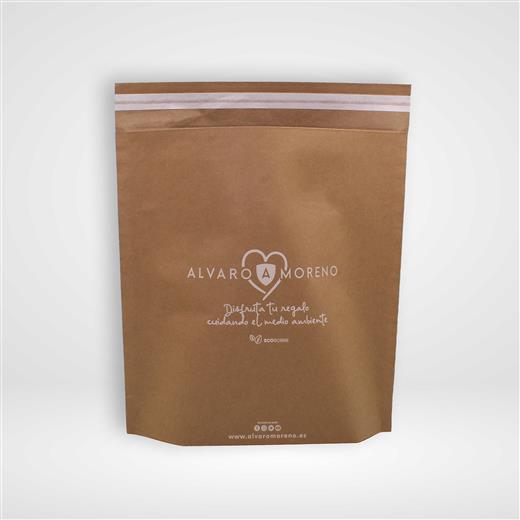 6. April 2021 – Mondi, ein weltweit führendes Verpackungs- und Papierunternehmen, hat der spanischen Einzelhandelskette Alvaro Moreno geholfen, fast 90 Tonnen Kunststoff pro Jahr einzusparen, indem sie auf Papierverpackungen im Verkauf, Online-Handel und bei Geschenktaschen umgestellt hat.
01.04.2021
Devan and Jeanologia join forces to reduce water usage for antimicrobial and skincare finishes for post garment treatments
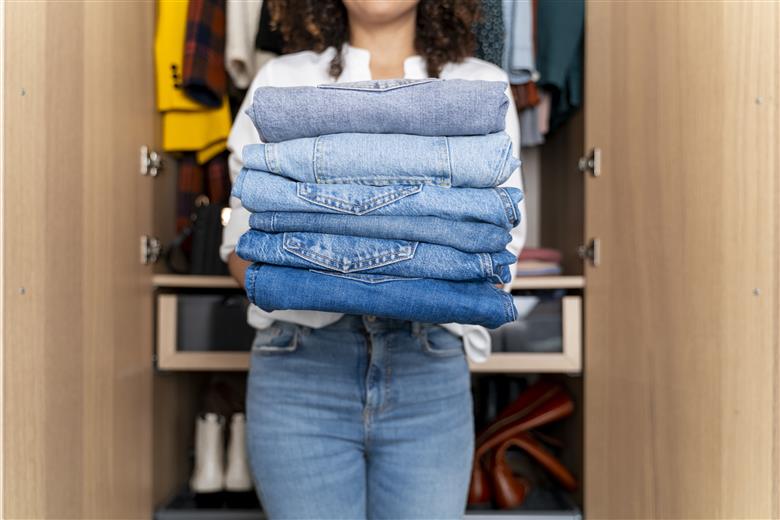 Devan, leader in sustainable and functional textile finishes, has been working together with Jeanologia, a global leader in sustainable and efficient finishing technologies for textiles, to reduce further water consumption during the application of Devan’s awarded BI-OME® antimicrobial and R-Vital® skincare range.
01.04.2021
Malvern Panalytical launches Smart Manager™, a cloud based ‘control room’ for Zetium and Axios-mAX XRF systems
 Today, Malvern Panalytical introduces Smart Manager, one of the new Smart Solutions in the Connected World, a cloud based ‘control room’ that connects and monitors all Zetium and Axios-mAX XRF systems. It will give customers a clear picture of both the real-time utilization and health of their instruments, wherever they are in the world.
01.04.2021
SABIC is a frontrunner in industry to launch recycled ocean bound plastics portfolio
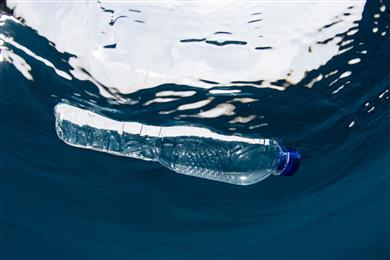 SABIC, a global leader in the chemical industry, has announced the launch of a new recycled material made from ocean bound plastic which has been recovered from ocean-feeding waterways and inland areas within a 50 kilometer radius of the ocean. The ocean bound material is mechanically recycled and converted into components for new consumer goods and electronics applications, such as TV remote controls and electronic razors. It has the potential to also be used in other industries in the future, such as automotive.
31.03.2021
KRAIBURG TPE liefert neue Lösungen, welche die Kunststoff-Kreislaufwirtschaft vorantreiben
 Damit europäische OEMs auch in Zukunft das optimale Material für Anwendungen im Außenbereich des Automobils nutzen können, stellt KRAIBURG TPE eine neue Compoundreihe vor. Der Clou: Mit einem Post-Industrial-Recyclinganteil von mindestens 20 % erfüllt es die hohen Ansprüche der Erstausrüster und trägt langfristig zum Aufbau einer Kunststoff-Kreislaufwirtschaft bei.
30.03.2021
Clariant tritt der Circular Plastics Alliance der EU bei
 Clariant, ein fokussiertes, nachhaltiges und innovatives Spezialchemieunternehmen, hat heute bekanntgegeben, dass es offiziell der Circular Plastics Alliance der EU beigetreten ist. Das Bündnis verfolgt das Ziel, das Recycling von Kunststoffen im Einklang mit den Zielsetzungen des Aktionsplans Kreislaufwirtschaft (Circular Economy Action Plan) der EU und mit dem Europäischen Grünen Deal (Green Deal) zu verbessern. Clariants Engagement ist Teil der aktiven Unterstützung des Unternehmens des Übergangs zu einer stärker zirkulär ausgerichteten Kunststoffwirtschaft.
30.03.2021
Neue Verpackung von Mondi für Abraham-Schinken Sortiment von Bell Deutschland erfordert 37 % weniger Material und spart 35 Tonnen Kunststoff
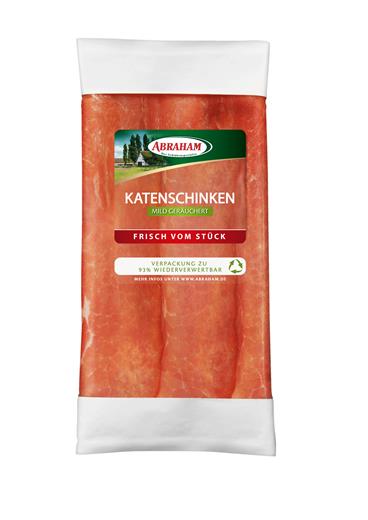 Mondi, ein global führendes Verpackungs- und Papierunternehmen, hat eine recycelbare Verpackung für das Abraham-Sortiment an dünn geschnittenem Gourmet-Schinken von Bell Deutschland produziert, die bestehende Recycling-Richtlinien perfekt erfüllt.
29.03.2021
BENEO investit dans les péniches et réduit ainsi ses émissions de CO2 de 20 %
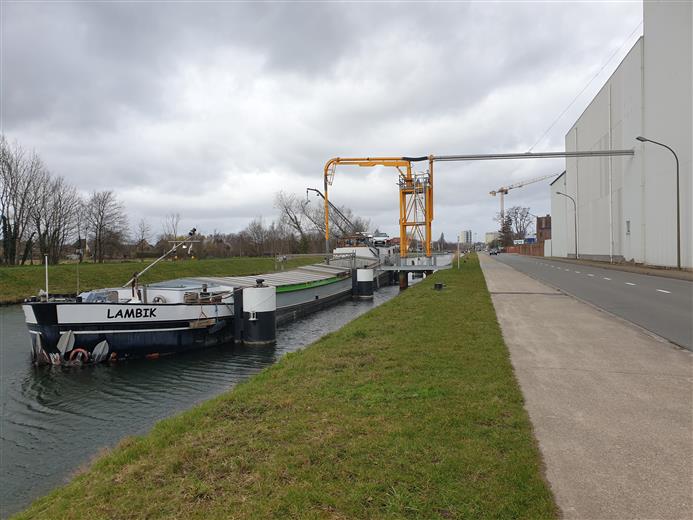 Le groupe BENEO, leader mondial dans le domaine des ingrédients fonctionnels, a investi un million d’euros dans le transport fluvial pour réduire sa dépendance vis-à-vis du transport routier. Le projet porte notamment sur l’augmentation de la capacité de déchargement de l’usine d’amidon de riz située à Wijgmaal, près de Louvain. Il permettra à BENEO de transporter les deux tiers de sa marchandise en péniches, ce qui réduira de 20 % par an les émissions de carbone liées à l’acheminement de riz depuis le port vers l’usine.