03-02-2021
Diab selects SABIC’s new LNP™ COLORCOMP™ compound to enhance foams for the core of wind turbine blades
 Diab Group, a world leader in sandwich composite solutions, chose SABIC’s new LNP™ COLORCOMP™ compound using nano technology to reduce weight and improve mechanical properties of sandwich structures with polyethylene terephthalate (PET) foams, which are used as the core material of wind turbine blades. The Swedish converter selected the breakthrough SABIC compound over standard nucleators for production of its Divinycell PY PET foam core series. By reducing the foam’s cell size by a factor of up to two, while maintaining the same density and decreasing the cell size dispersity, LNP COLORCOMP compound helps enable the final part to be lighter and more efficient in use. These improvements to the core foam material can help designers create new, longer blades that address increasingly stringent standards for precision, weight and consistent quality, and contribute to greater overall energy generation.
03-02-2021
A vibrant start to the new year: Clariant expands pigments laboratory for the African market
 Clariant Pigments has welcomed the new year with the expansion of its new state-of-the-art pigments’ laboratory in Krugersdorp near Johannesburg, an African showcase for sustainable color technology.
02-02-2021
INEOS Styrolution and Polystyvert establish joint development agreement aimed at advancing a circular economy for polystyrene
 INEOS Styrolution, a global leader in styrenics, and Polystyvert, an innovative leader in dissolution technology, are collaborating to convert post-consumer polystyrene plastic into a new, high quality, polystyrene (PS) raw material resin.
02-02-2021
Circular transition framework enhanced with new metrics for water, financial performance and bioeconomy guidance
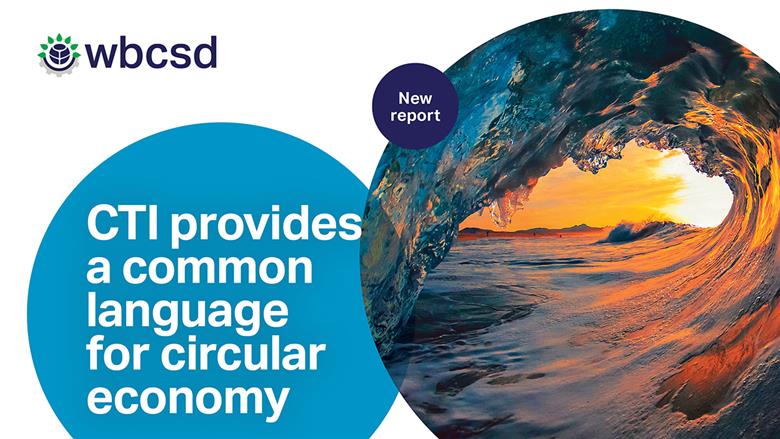 The World Business council for Sustainable Development (WBCSD) released the Circular Transition Indicators (CTI) framework version 2.0 and the accompanying online tool that was jointly developed with more than 30 companies. The use of common indicators for circularity performance is essential to accelerating the transition to the circular economy and the CTI process helps companies' scope and prepare their assessment and interpret the results, understand risks and opportunities, prioritize actions and establish SMART targets to monitor progress.
02-02-2021
OQ to Host Webinar on Modern Feeding Practice for High-performing Farm Animals
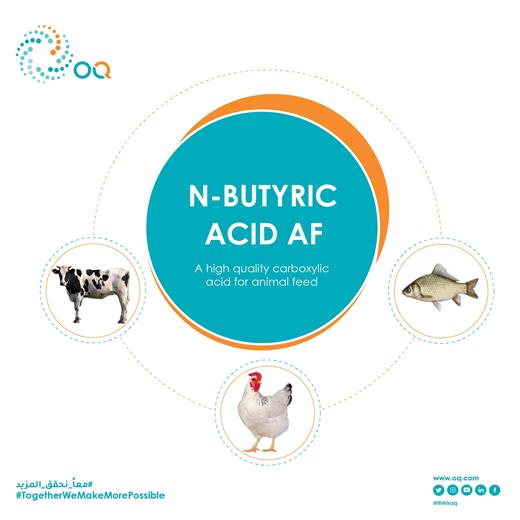 OQ is launching its series of webinars, themed ‘Connect.Learn.Do’, commencing on 10th of February, with a webinar entitled ‘Modern feeding practice for high-performing farm animals’, exploring the benefits to farmers, farm animals and the global food supply chain of feed additives, specifically n-Butyric acid derivatives.
02-02-2021
Archroma and CleanKore join forces to promote sustainable, cost-effective indigo dyeing process
 Archroma, a global leader in specialty chemicals towards sustainable solutions, today announced a strategic partnership with technology innovator CleanKore, aiming to advance sustainable dyeing processes throughout the denim supply chain.
02-02-2021
Clariant launches natural VOC-trapping DESVOCANT adsorbents for packaging & cargo shipments
 Welcome relief from VOCs: Clariant unveils an innovative line of new clay mineral-based DESVOCANT adsorbents to efficiently reduce the potential exposure of shipment handlers, merchants, and consumers to volatile organic compounds (VOCs) from enclosed manufactured products.
01-02-2021
L'accresciuta complessità dell'illuminazione automobilistica a LED crea una domanda di tecnopolimeri nuovi e facili da stampare
 La tendenza verso lo sviluppo di progetti di illuminazione automobilistica complessi ed intricati, basati su diodi luminosi (LEDs) ha creato una domanda di tecnopolimeri dotati di eccezionale scorrimento e facile sformatura dallo stampo. Alcuni elementi progettuali come l’integrazione di componenti e di funzioni, oppure parti dell’illuminazione anteriore o posteriore più larghi, ampi e sottili, come pure caratteristiche estetiche critiche richiedono materiali in grado di ottenere pareti sottili, uno stile aggressivo con angoli di sformo acuti, insieme ad un’estetica impeccabile. La gamma di policarbonato (PC) LEXAN™ di SABIC, ad altissima fluidità per le cornici dei gruppi ottici permette al settore di creare geometrie complesse ed integrare più componenti, in modi fino ad oggi incompatibili con la semplicità di fabbricazione.